
On this page
The Crowd Already Looking for a Home
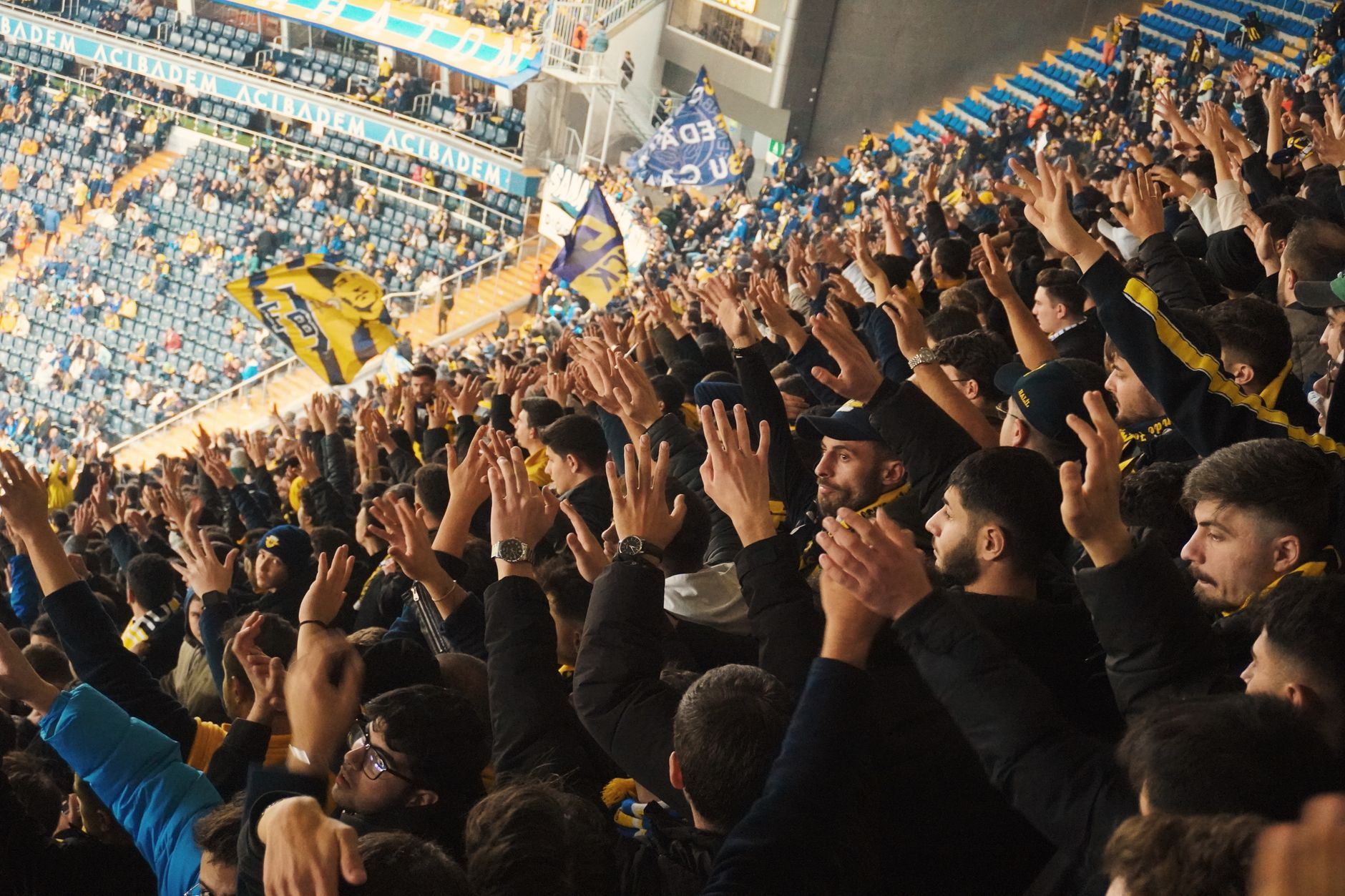
Somewhere in your city, a group of people plans its Saturdays or Sundays around a team that plays half a country away. They moved for a job, for school or for family, and they still wear the colors. Right now they are scattered. A few watch at a bar that puts their game on a side screen with no sound. Others stream it alone and complain in a group chat that nobody local cares. Hosting a bar fan club watch party gives that group one place to land, and once they land, they tend to stay.
The idea is simple. Become the official local home of one out-of-market team's fan club or alumni chapter. This is a standing arrangement for the season, not a one-night promotion. The club gets a room where its game is on and the sound is up, every time. You get a crowd that shows up on schedule, often at hours that would otherwise be quiet.
Why a Bar Fan Club Watch Party Beats a Wall of Games
Most bars try to win game day by showing everything. That works for casual fans who just want to catch their game somewhere. A fan club wants something different. Its members want to belong somewhere, and that is what makes them valuable.
- Predictable attendance. The schedule comes out months ahead, so you can staff, order and plan specials around real dates instead of guesses.
- Traffic in off-peak hours. Out-of-market games often fall at awkward times in your time zone: early mornings, late nights or the dead stretch between lunch and dinner. If you have weighed opening early for overseas soccer or staying open late for West Coast games, a fan club is the kind of committed group that makes those hours worth opening for.
- Marketing you don't have to run. Clubs and alumni chapters keep their own email lists, social pages and group chats. When they announce where they watch, the message reaches people who have never heard of you.
- Loyalty that spills past game day. Members who think of your place as their bar come back on a Tuesday for dinner, bring coworkers and book birthdays there.
- Less crowded territory. Every bar in town chases the home-team crowd. Transplant fans are easy to overlook, which leaves room for the bar that goes after them on purpose.
There is a trade-off. On game day the club expects its game on the main screens with sound, and that will sometimes collide with a big local matchup. Settle it before the season starts with a written priority order. Our piece on deciding which game gets the sound covers how to set one up and explain it to guests.
Finding the Club and Making the Pitch
The organizers are usually volunteers who would love to stop hunting for a venue every week. That makes the conversation easier than most owners expect.
- Start with who is already in your room. Ask bartenders and servers which out-of-town jerseys and college hats they see often. A few regulars may already belong to a chapter.
- Look for organized groups. Many universities run regional alumni chapters, and many pro teams have city-based fan clubs. Social media groups for transplants are another good place to look.
- Contact the organizer directly. Keep it short: which area you would give them, which screens, that their game gets the sound, and what a typical game day looks like.
- Offer a trial game or two. Let the group test the room, the food and the service before anyone commits to a full season.
- Write down the agreement. It can be informal. List which games are covered, the reserved area, sound priority, any member specials, how the club will promote the partnership and who the contact is on each side.
Near a big university or in a city with plenty of corporate relocations, you can host more than one club as long as their schedules rarely overlap. An alumni watch party on Saturdays and a pro fan club on Sundays can share the same roof without stepping on each other.
What the Club Needs on Game Day
A fan club will forgive a slow kitchen once. It won't forgive missing kickoff because a receiver was left on the wrong channel. Here is what matters most and how to handle it.
| What they need | Why it matters | How to deliver it |
|---|---|---|
| Their game on the main screens with sound | It is the reason they came | Post a written audio policy and mark the club's screens in staff notes |
| A reserved area | Fans want to sit together, cheer and sing | Rope off a section or back room with team signage |
| Tuned in before pre-game | The build-up is part of the ritual | Add it to the opening checklist and test early |
| Clear views from every seat | Nobody stays for a game they can't see | Aim at least one good screen at each part of the club's section |
| Team-specific touches | Belonging is the hook | Hang their flag, name a drink after the team, play the fight song after a win |
| One named contact | The organizer needs someone to call | Assign a manager for the season |
When you set up the section, start from the seats, not the walls. Our bar TV placement layout guide walks through it. The opening checklist matters just as much; a short routine from training staff on bar TVs heads off most game-day surprises.
Expect bigger turnouts for rivalry games and when the team visits your city. If the opponent's fans show up too, plan your zones ahead of time. Our page on handling rival fans at the bar covers seating, screens and sound for those nights.
Make Sure You Can Actually Show Their Games
This is the step owners skip most often, and it is the one that can sink the whole idea. An out-of-market team usually isn't on your local broadcast channels. Whether you can carry its games depends on your commercial programming: which sports packages you have and what is available for your location. Some games may also be unavailable in your area for rights reasons even with the right programming. If a screen shows an on-screen message instead of the game, our error code help explains common messages and what to try next.
The account type matters too. Bars generally need commercial service rather than a residential account, since consumer service is set up for private viewing rather than a room full of paying guests. The specifics depend on your venue and how you use the screens, so confirm them with a specialist.
Sports Direct | DLM Media is an authorized commercial dealer and one of the Original 6 Commercial DIRECTV dealers, with 30+ years of expertise. A specialist can review your lineup against a team's schedule and recommend commercial TV programming for bars and restaurants that fits the crowd you want to bring in.
Keeping Transplant Fans Coming Back
Once the season is running, give members reasons to show up between games. Bring them back for draft night, a season-opener party or an alumni mixer. Run a weeknight special just for club members, and let the organizer announce it so it feels like a perk of belonging rather than an ad. When the schedule thins out, our ideas for bar TVs during the off season can keep the group in the habit of meeting at your place.
The most useful next step is a short conversation about what you can carry. Tell a specialist which team or school you have in mind and what your screens look like now, and you will know whether the plan works before you contact a single organizer. You can reach a programming specialist here whenever it suits you.