
On this page
How a rehab facility room TV is put together
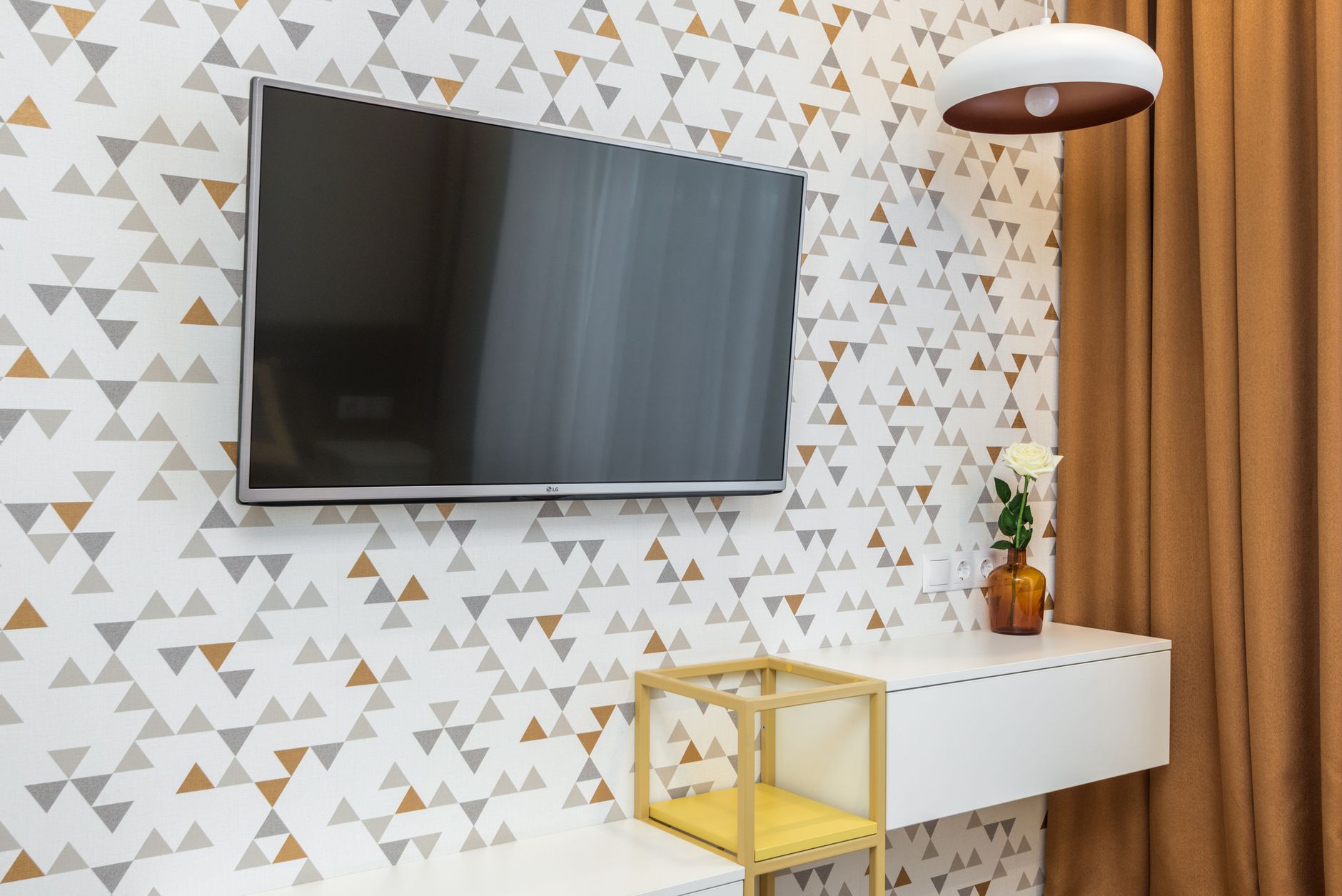
A rehab facility room TV is usually three or four pieces working together. Most problems come from one piece being out of step with the others. The TV is the display. A receiver brings in the facility's commercial programming. It may be a small box behind or beside the set, or it may be built into the TV. A remote, or a bedside control clipped to the rail, changes channels and volume. In shared rooms there may also be a personal listening option, such as a pillow speaker or a headphone jack, so two patients can follow different things.
The receiver and the TV are separate devices, and each has its own power and settings. A patient can press power on the TV and see a blank screen because the receiver is off or the TV is on the wrong input. Captions can be switched on at the TV, at the receiver or at both. That is why a family member can turn them on and still see nothing on screen. Knowing which device controls what saves a lot of frustration on day one.
The programming belongs to the facility, not the patient. It runs under a commercial account set up for the building, and the facility chooses the lineup for the people who stay there. The channel list at the bedside matters more than it seems. It is the quickest way for a tired patient to find the news or a familiar show without scrolling.
Why short-stay rehab rooms need a different approach
Long-term residents settle in. They learn the remote, find their favorite channels and tell staff what they like. A short-term rehab patient often arrives a day or two after surgery. They may be sore, medicated and down to one usable hand. Their stay may last days or weeks, much of it spent in therapy, so the TV has to be usable right away with no learning curve.
That changes a few priorities:
- Reach. The control has to be within reach from the bed and from the chair. A patient with a new hip or a repaired shoulder can't lean far.
- Simplicity. A remote with large buttons and only the essentials beats a crowded one. Fewer buttons mean fewer accidental input changes.
- Sound. Shared rooms, night rest and early therapy sessions call for low volume, captions and a personal listening option.
- Turnover. Every discharge leaves settings behind: muted audio, an odd input, captions in another language. The next patient inherits whatever is left.
- Families. Visitors often end up troubleshooting the TV. Clear bedside instructions keep them from calling the nurse over a remote.
Compared with a senior living TV service plan for resident apartments, a rehab wing depends much more on standard defaults and fast resets. The therapy gym is a different setting again. A physical therapy clinic TV setup covers screens in exercise and waiting areas.
A room-reset checklist for staff between admissions
Most in-room TV complaints can be headed off with a two-minute check when a room is turned over. Housekeeping, a CNA or maintenance can own it. What matters is that someone does it every time.
- Turn on the TV and receiver and confirm a live picture on the facility's main channel.
- Set the TV input back to the default the facility uses.
- Unmute the audio and set the volume to a moderate starting level.
- Set closed captions to the facility default and confirm the caption language.
- Test every key on the remote, replace weak batteries and clean it under your infection-control routine.
- Check the bedside control or pillow speaker if the room has one.
- Leave a fresh channel guide and a short how-to card at the bedside.
- Log anything that won't reset and send it to maintenance before the next patient arrives.
Staff who want a fuller triage list can use what caregivers can fix first before escalating anything.
When a room TV problem becomes a service question
Some problems are bigger than one room. Several rooms may show no signal, a receiver may not respond after a restart, or a channel may be missing everywhere. Those are service issues for the facility's commercial TV provider. A patient or family member should not have to chase them. The patient's job is to tell the nursing station. The facility's job is to have one clear contact who logs the issue and gets it fixed.
This is where a single point of contact pays off, especially for operators running more than one building. Sports Direct | DLM Media coordinates commercial programming, equipment, installation and support from Phoenix, with technicians and engineers in all 50 states. If you are planning a rehab wing, opening a new short-stay unit or reviewing how room TV is handled today, you can talk through it with a programming specialist. There is no obligation, and the answer may simply be a better reset routine.