
On this page
What guests notice before they reach the desk
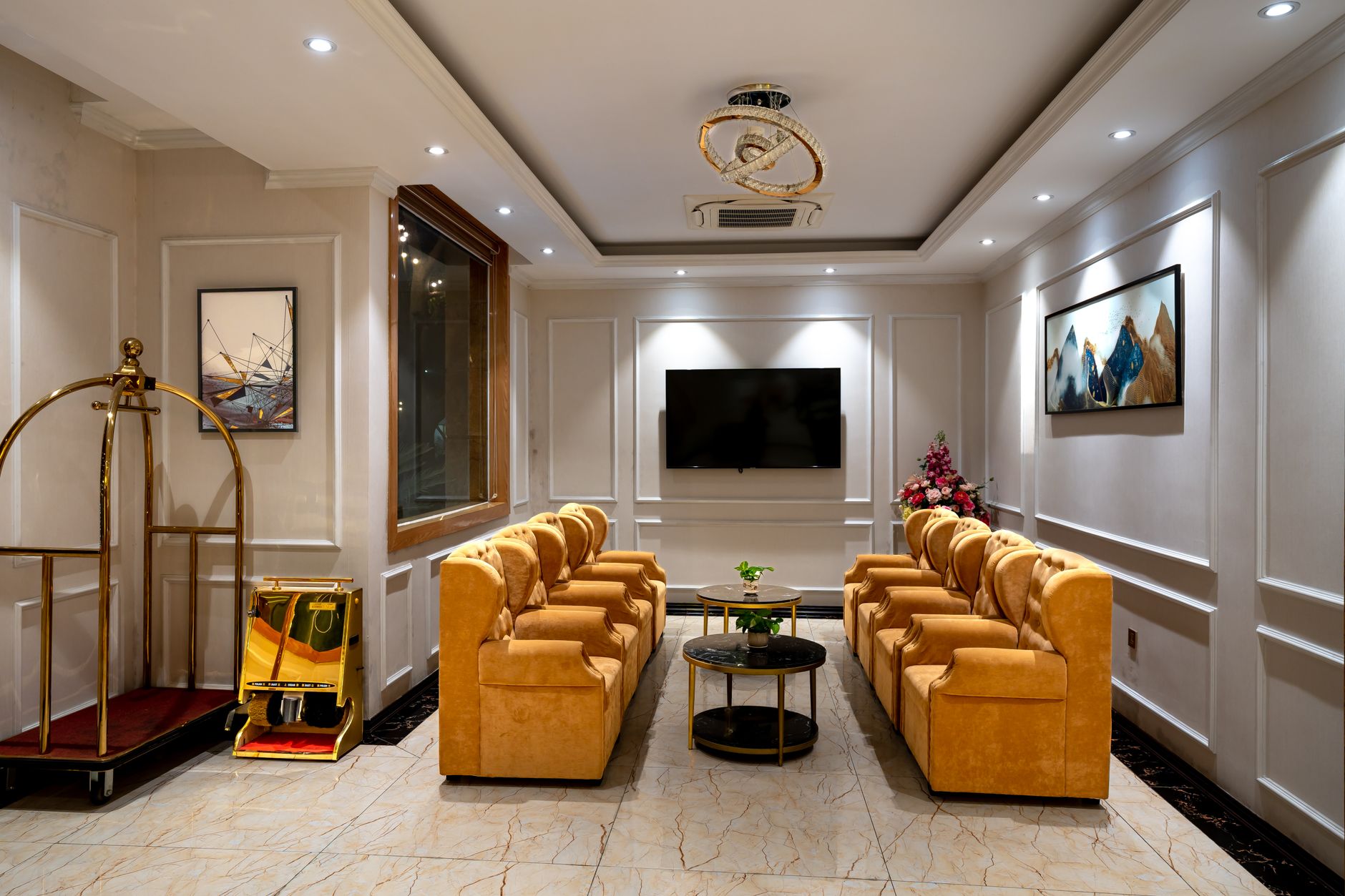
A guest walks in after a delayed flight, rolls a suitcase across the lobby and waits behind two other check-ins. For those few minutes, the screen above the seating area is part of their first impression, whether you planned it that way or not. Hotel lobby TV programming rarely earns a compliment, but guests notice quickly when it's wrong.
What they pick up on is rarely the channel itself. It's whether anyone is paying attention:
- Volume that competes with the front desk. If a guest has to lean in to hear their room number, the TV is too loud.
- A frozen picture, a blank screen or an on-screen receiver message. It suggests a property that doesn't check the details.
- Content that clashes with the room. A heated debate show, a graphic news segment or a loud late-night program in a quiet, polished lobby.
- Stale content. Last night's replay at 8 a.m., or a menu screen someone left open after switching inputs.
None of these is hard to fix. Each one needs a plan for what plays where, and a person who owns it.
Hotel lobby TV programming sets the tone first
The lobby is the one space every guest passes through, at every hour and in every mood. A family arriving for a youth tournament. A business traveler checking in at 11 p.m. A couple heading out to dinner. Programming here has to work for all of them without asking anything of anyone.
That usually means content that is calm, broadly appealing and easy to follow without sound:
- Weather and light general news in the morning, with closed captions on.
- Scenic, ambient or lifestyle programming through the middle of the day.
- A major live event in the evening, if it draws wide interest and the lobby seating suits it.
The test is simple. Could a guest glance at the screen for ten seconds and feel the property is in order? If the answer depends on whatever happens to be on that hour, the lobby needs a schedule rather than whatever the last person left on.
Match the programming to each space
Many hotels treat their screens as one system, so the same channel or mood ends up everywhere. But guests use each space for a different reason, and the programming should follow that.
| Space | What guests are doing | Programming tone | Sound |
|---|---|---|---|
| Lobby and front desk | Arriving, waiting, passing through | Calm, broad appeal, captioned | Off or very low |
| Breakfast area | Starting the day, eating quickly | Morning news, weather, light features | Low |
| Lounge | Relaxing, meeting, waiting for dinner plans | Relaxed by day, sports or major events in the evening | Moderate, zoned |
| Hotel bar | Socializing, watching the game | Sports-forward, live events | Up for big moments |
| Fitness room | Working out, often alone | Upbeat and easy to follow without audio | Captions, or guest-controlled |
| Meeting prefunction areas | Networking between sessions | Business news, neutral content, or screens off | Off |
A few points that tend to get overlooked:
The lounge changes character by daypart. At 2 p.m. it's a quiet place to answer email. At 7 p.m. on a big game night it may be full. Plan for both rather than defaulting to one. For more on how programming affects how long people stay, see our guide to in-venue entertainment and dwell time.
The bar is its own venue. If it draws locals as well as guests, it competes with every sports bar nearby, and its programming should be built that way. Our page on commercial TV for nightclubs and lounges covers the high-energy side of that.
The fitness room needs variety. One screen showing a single channel suits nobody on a treadmill for forty minutes. Several captioned screens with different content usually work better. See how commercial TV for gyms and fitness spaces is typically set up.
Separate the feeds so one space doesn't run another
The most common hotel TV problem isn't a poor channel choice. It's that the lobby and the bar share a feed. The bartender turns on the game and the lobby gets it too. Or someone at the desk switches to something calm and the bar loses the game in the fourth quarter.
Separating programming by space comes down to a handful of practical decisions:
- Give each zone its own receiver. Any area that needs independent programming needs its own source. Splitting one receiver across the lobby and the bar ties them together.
- Decide who controls what. Front desk staff manage the lobby. Bar staff manage the bar. The fitness room may be guest-controlled or set to a fixed channel. Write it down.
- Set a daypart schedule. A one-page sheet listing what plays in each space in the morning, afternoon and evening removes the guesswork for overnight and weekend staff.
- Control sound by zone. Audio from the bar shouldn't drift into the lobby. Screen placement and speaker zones matter as much as channel choice; the commercial TV mounting and placement guide walks through sightlines and sound.
- Build in a daily check. A quick walk-through at shift change catches frozen screens and wrong inputs before guests do.
Settle the viewing type for each area early
A hotel is several kinds of venue under one roof, and that affects programming. A screen in a guest-only fitness room, one in the lobby and one over a bar open to the public may not fall under the same viewing type, and the type can shape which programming and account terms apply.
How each space is classified depends on the specifics: who can walk in, whether the area is open to non-guests and how the screens are used. It's worth confirming with a specialist rather than assuming, especially if you're adding a bar, opening a lounge to the public or hosting watch events. For background, commercial TV viewing types explained lays out the public, business and private categories in plain terms.
This is also why a consumer TV plan isn't the right fit for a hotel's common areas. Consumer service is meant for private home viewing, not for a business showing programming to guests. Our explainer on commercial vs. residential TV covers the difference.
A sensible next step
Start with a walk. Stand at the front door during the evening check-in rush, then at the bar at 7 p.m., then in the fitness room at 6 a.m. Note what each screen shows, how loud it is and whether it fits what guests are doing in that space. Most properties find a few quick fixes and one or two structural ones, often a shared feed that needs splitting.
From there, the work is matching programming to each zone, sizing equipment so spaces run independently, and setting up support for when a screen misbehaves. Sports Direct | DLM Media brings 30+ years of expertise as an authorized commercial dealer and one of the Original 6 Commercial DIRECTV dealers. You can see how we approach TV programming for hotels, review our full programming, equipment and support services, or talk with a programming specialist about your lobby, lounge, bar and fitness room.