
Sports bar or dining room? Set it up right.
A clear, side-by-side guide to positioning your venue as a game-day destination or an ambiance-first restaurant, so every screen earns its place.
Free, no-pressure consultation · Commercial only, never residential






Two rooms, two jobs for the screen
A sports bar and a casual restaurant can run the same commercial programming and still feel worlds apart. The difference is not the tier, it is how the room is designed around the content. This guide breaks down what actually changes when you position for game-day energy versus an ambiance-first dining experience, so you can build the room your guests come back for.
Pick the room you are really building
Every setup choice flows from one question: is the screen the main event, or does it support the meal? Get this right first and the rest of the decisions get easy.
The sports-forward bar
Built to pack the room on game day.
Here the screen is the product. Guests come to watch the big games together, and the room is designed so every seat has a great line of sight to the action. The goal is energy, dwell time, and a full house when it matters most, so the setup leans into more displays, more live sports, and sound that carries.
The ambiance-first restaurant
Built to elevate the meal, not compete with it.
Here the screen supports the experience rather than dominating it. TVs create a lively but comfortable backdrop, keep the bar area engaged, and give solo diners something to enjoy, without overpowering conversation. The goal is a considered, on-brand feel that keeps tables turning and guests coming back.
What actually changes between them
Same Public Viewing programming, two very different rooms. Here is how the everyday decisions differ once you know which experience you are building.
Many displays, wall-to-wall coverage, and a focal video wall so no seat misses the action. Sight lines drive the floor plan.
Fewer, well-placed screens concentrated at the bar and lounge, angled so they enhance the room without pulling focus from the table.
Live game audio on the featured matchup, zoned so the main event is loud while side screens stay muted with captions.
Screens usually muted with captions, paired with commercial-free background music so conversation and ambiance lead.
Deep live sports across seasons, from the marquee matchups to regional games, so there is always a reason to gather.
A broadly appealing blend of sports, news, and lifestyle that suits a mixed crowd and keeps the mood upbeat, not divisive.
Communal high-tops, rails, and booths oriented toward the screens to encourage a crowd on the biggest days.
Comfortable dining seating first, with screens supporting the bar and waiting area rather than dictating the whole floor.
Promote game-day specials, upcoming matchups, and drink features between plays to lift check averages during the rush.
Feature menu highlights, seasonal offers, and events in a subtle rotation that fits the tone of the room.
Fans who choose their spot by the game on the wall, and stay for the atmosphere when their team is on.
Diners who want a warm, lively room, plus bar guests who appreciate a screen without a stadium.
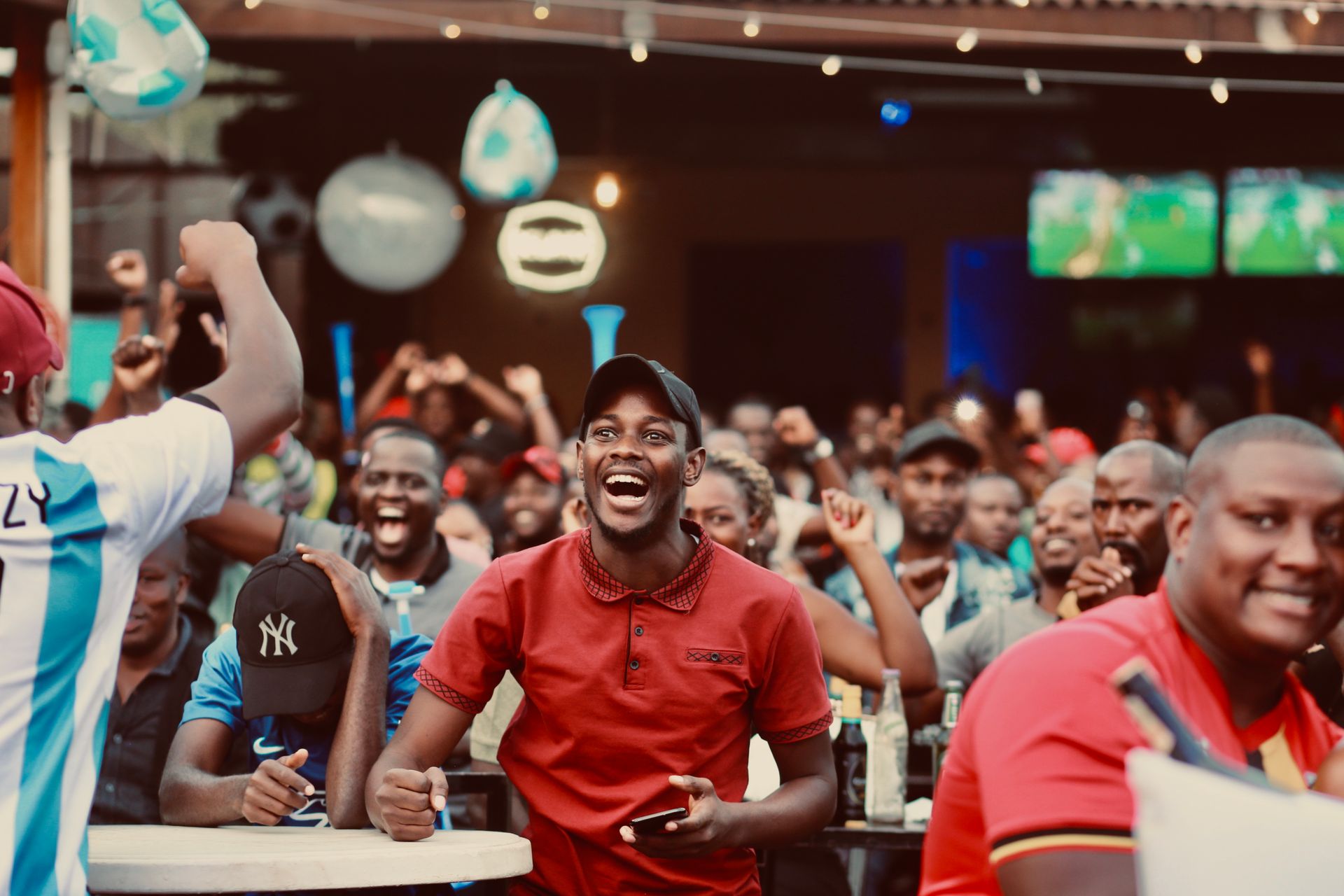
Same tier, tuned to your concept
Bars, restaurants, and gaming floors all sit in the Public Viewing tier, high-traffic rooms where guests watch together. The tier is the same. What changes is how a commercial specialist deploys it inside your space, from screens and sight lines to audio zones and content mix.
One programming tier, two experiences
Whether the marquee game is front and center or a lively backdrop keeps the room upbeat, it is the same commercial programming working differently by design.
Both rooms are Public Viewing
Bars, restaurants, and gaming floors all fall under the Public Viewing tier, high-traffic spaces where guests watch together. The tier is the same; how you deploy it inside the room is where a sports bar and a casual restaurant diverge.
Content is the difference-maker
Commercial entertainment comes down to the value of content. The right programming keeps guests in the room, watching, cheering, and coming back, whether that means the marquee game front and center or a lively, on-brand backdrop.
One setup, tuned to your concept
A commercial specialist scopes your screens, sight lines, audio zones, and content mix so the same programming tier delivers a packed sports house or a polished dining room, exactly as your concept demands.
Five steps to the right setup
A repeatable way to land on the positioning that fits your room, your guests, and the revenue you want to grow.
Start with the guest you want to win
Before you count screens, decide who the room is for. A destination for fans on game day and a neighborhood dining room ask different things of your programming. Naming the guest first keeps every later choice, from screen count to audio, pointed at the same outcome.
Map sight lines and the room energy
Walk the floor from every seat. A sports-forward room needs clear views to a focal wall from the bar to the back booth; a dining room needs screens that read as accents, not distractions. The layout you land on decides how many displays you actually need and where they go.
Decide how sound will behave
Audio is the fastest way to change the feel of a room. Live game sound on a featured screen signals a sports destination; muted screens with captions and curated background music signal a dining experience. Pick the default, then plan zoning around it.
Match the programming to the calendar
A sports-forward venue lives and dies by the schedule, so the mix should carry every season and the games your regulars care about. A casual dining room wants a steady, broadly appealing blend that holds up any night of the week, not just on the big matchups.
Make the whole thing reliable
Both rooms depend on the picture never going dark. Public viewing is a commercial use that requires commercial programming and equipment, plus a partner who designs, installs, monitors, and supports it. That is where a consultative, commercial-only provider keeps the experience consistent every day you are open.
Want both crowds? Zone the room
Plenty of venues do not want to choose. With smart placement and audio zoning, one setup can serve fans on game day and diners on a quiet Tuesday, without either crowd feeling short-changed.
Zone the room instead of choosing sides
A bar and lounge that leans sports-forward, with a quieter dining section that keeps screens as accents, lets one venue serve both crowds. Audio zoning is what makes it work: game sound where the fans are, background music where the tables are.
Flex with the calendar
On a big game day, dial the whole room toward the event. On a quiet weeknight, pull audio back to music and let screens play a broadly appealing mix. The programming stays the same; how you present it changes with the night.
Protect the experience for every table
A hybrid only works when neither crowd feels short-changed. Thoughtful placement and zoning keep fans immersed in the action while diners keep a comfortable, conversation-friendly room, so both groups leave planning to return.
Design the room with a specialist
Tell us about your space and how you want it to feel, and a commercial programming specialist will help you scope screens, audio zones, and the right Public Viewing package. Prefer to talk it through? Call New Sales at (888) 688-1699.
Sports bar vs. restaurant, answered
What operators ask most before they build the room and request a quote.
The difference is the job the screen does. In a sports-forward bar the TV is the main attraction, so the room favors more displays, clear sight lines to a focal wall, live game audio, and deep sports programming. In a casual restaurant the screen supports the experience instead of leading it, so you use fewer, well-placed displays, usually muted with captions and background music, and a broadly appealing content mix. Both are Public Viewing setups; how you deploy them inside the room is what changes.
There is no single number because it depends on your floor plan, sight lines, and how many seats need a clear view. A sports-forward bar typically wants wall-to-wall coverage and a focal video wall so no seat misses the action, while a casual restaurant concentrates fewer screens at the bar and lounge. A commercial programming specialist will walk your space and recommend the right count and placement for your concept rather than a one-size-fits-all layout.
Yes, and many operators do exactly that. The key is zoning the room: a sports-forward bar and lounge with game audio, plus a quieter dining section where screens act as accents and background music leads. You can also flex with the calendar, dialing the whole room toward the big game and pulling back to music on quieter nights. Good placement and audio zoning let one setup serve both crowds without either feeling short-changed.
Yes. Showing TV in a bar or restaurant is public viewing, a commercial use that requires commercial programming and equipment, not a residential plan. Sports Direct is a commercial-only provider, so we set you up with the right Public Viewing package and equipment, handle the install, and keep the feed reliable so your room never goes dark.
Content is what keeps guests in the room, watching, cheering, and coming back. A sports-forward room drives traffic and dwell time on game day, while a well-tuned dining room lifts the bar and keeps tables comfortable and turning. On-screen messaging in both concepts promotes specials, matchups, and menu highlights that lift check averages. A specialist will help you match the setup to the revenue you are trying to grow.
Speak with a programming specialist
Free and no-pressure, call New Sales for a tailored quote.
Where to go next
Once you have picked your positioning, put it to work on the biggest days and see how we tailor commercial programming for restaurants, bars, and every kind of venue.
Build the room your guests come back for
Talk to a commercial programming specialist and get a setup tuned to your concept, from a packed sports house to a polished dining room.