
On this page
What a commercial background music service should do for your space
Music shapes how a business feels before anyone says a word. A commercial background music service should give you a soundtrack that suits the room, runs on equipment that stays on site, and does not depend on a manager's phone that walks out the door at the end of a shift.
When you compare options, judge them on how the room sounds and how little your staff has to think about it. What good looks like is mostly invisible:
- The music fits the hour and the space, not whatever someone played last on a personal account.
- Nobody has to unlock a phone, hunt for a playlist or deal with an interruption during service.
- Content suits your audience, whether that is families at lunch or business travelers in a lobby.
- If you use screens, any messaging on them is current, readable and on brand.
- When something stops working, there is one number to call and one party who owns the fix.
Many operators want two specific things: music without commercial interruptions and the ability to put their own messages on screen, such as a happy-hour reminder or breakfast hours. Raise both early. Available options vary by business type and setup, so a programming specialist will confirm what fits your locations rather than assume.
Why consumer music apps are not built for public business use
Most businesses start with a personal music app because it is convenient. It works until it does not. Consumer apps are designed around one person listening on their own device, and that shows up in daily operation:
- Interruptions. Free tiers of consumer apps commonly play ads, which can land in the middle of a quiet dinner service.
- Content drift. Automated recommendations can wander into tracks that do not suit a family restaurant or a hotel lobby.
- Account dependency. The music lives on an employee's login. When that person is off, out sick or gone, so is the soundtrack.
- No support path. Nobody's job is to keep your dining room playing.
There is also a rights question. Playing music to customers in a public space is a different situation from listening at home, and whether a particular consumer service covers that use depends on the service and how your business uses it. We do not give legal advice, so the honest answer is to check the terms before relying on a personal account and to ask a specialist how a business setup differs. Our guide to commercial vs. residential TV for business explains the same principle as it applies to television.
Who it fits: restaurants, hotels and retail
Restaurants
A restaurant's mood changes several times a day. A brighter, quicker sound suits a lunch rush; something warmer fits a Friday dinner when tables turn more slowly. The patio may want a different feel from the bar. Planning those shifts in advance beats relying on whoever remembers to change the playlist. Restaurants that also show live games often keep music in the dining room and sports on bar screens; our restaurant and bar setup guide explains how operators divide a room into zones.
Hotels
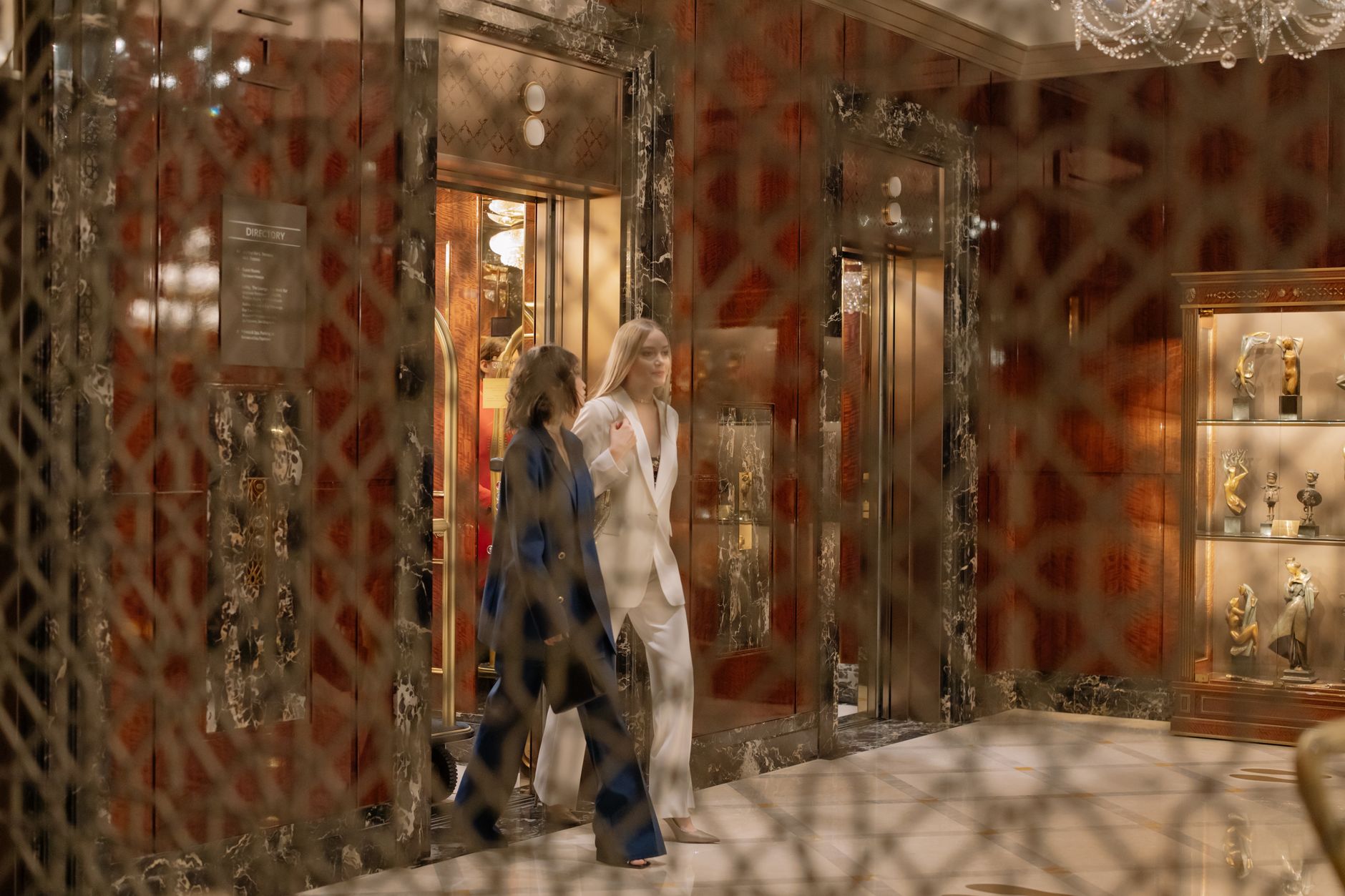
Picture a hotel with 200 rooms and a dozen public spaces: lobby, breakfast area, fitness room, pool deck, corridors and elevator landings. Each wants something slightly different, and the front desk has no time to manage any of it. Background music keeps those spaces from feeling empty at 6 a.m. or 11 p.m. If lobby screens are part of the plan, it is worth discussing whether they can share check-out times or event notices instead of printed signs.
Retail stores
In retail, music affects how relaxed shoppers feel while they browse. The main floor, fitting rooms and checkout line can all benefit from a consistent sound. For multi-location retailers, a managed approach helps every store sound like the same brand instead of reflecting each manager's taste. Stores that also run TV can see our page on commercial TV for retail stores and malls.
How we plan and set it up with you
We treat background music the way we treat any commercial programming: it starts with the space, not a package.
- Assess the space. We learn how each area is used across the day, where guests sit or walk, where staff need to hear each other and which screens are already in place. A quick-service counter and a calm hotel lobby call for very different approaches.
- Design by zone and viewing type. We map which areas get music, which get live TV and where screens might carry your own content. If some screens show programming, we match them to the right commercial viewing type so audio and video are planned together.
- Install. Technicians and engineers in all 50 states handle the work, so a single restaurant and a multi-site rollout follow the same standard.
- Support. After go-live, you have one point of contact across every location. If a zone goes quiet or something needs to change, you call one team instead of chasing several vendors.
This is the same consultative process behind our broader programming, equipment, installation and support services, built on 30+ years of experience serving businesses.
What to think about before deciding
A few questions make the first conversation faster and the result better:
- How many distinct zones do you have? Count spaces that should sound different, not just rooms.
- Do you want screens involved? Decide whether on-screen messaging matters and who on your team would keep it current.
- Who should control volume? Agree on who adjusts levels during service so music supports conversation instead of competing with it, then ask what control options suit your setup.
- How does music sit alongside TV? If you run games or news, decide where sound comes from in each zone. Our post on closed captions in restaurants, bars and hotels covers the one-sound-source-per-zone approach.
- One site or many? Multi-location operators should plan for brand consistency and a single support relationship from the start.
- What does support need to look like? Think about when you are busiest and whether help will be reachable then. Our guide to evaluating commercial TV support applies here too.
When you are ready, talk with a programming specialist about your rooms, your hours and how you want the space to feel. We will build a custom quote around what you actually need.