
On this page
Who is in your lobby at 6 a.m.
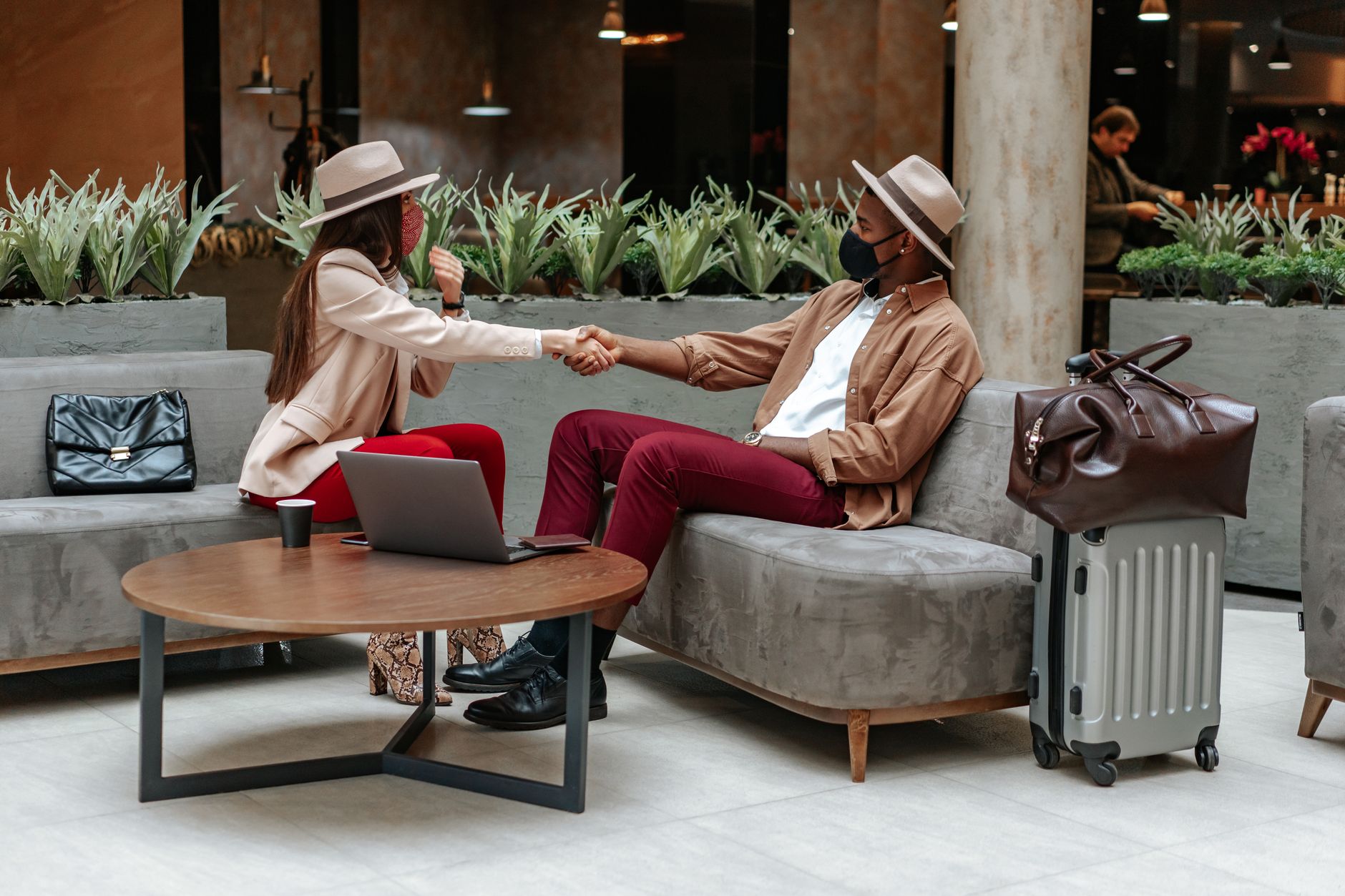
Picture a hotel ten minutes from an international terminal. At dawn a tour group checks in after an overnight flight. A family waits on the shuttle with their bags. A consultant from overseas answers email by the window while a match from home is underway on another continent. Planning hotel TV for international guests in a lobby like this is less about adding more channels and more about deciding what each screen is for, and who it serves at that hour.
The idea that works: give international travelers one dependable screen of their own instead of trying to make every screen serve everyone. That one screen carries world news, weather and international sports. The rest of the lobby stays calm and broadly appealing, as covered in our piece on hotel lobby TV programming. A guest who glances up and sees a story or a score from home feels oriented. That small moment shapes how the whole stay feels.
The guest mix differs by location. An airport property sees short stays, odd arrival times and jet-lagged business travelers. A hotel near a convention center or tourist district sees groups, families and fans who came for an event. Both benefit from the same approach, tuned to who walks through the door.
What travelers from abroad look for on a screen
International guests are rarely looking for entertainment in the lobby. They are looking for information and a little familiarity. In practice that means:
- World news with a global view. Stories from their home region, not only local headlines. Business travelers also watch markets and currency moves before a meeting.
- Weather, here and at home. Travelers check conditions for the day ahead and for flights, and they wonder what is happening where family lives.
- Sports that local channels may skip. Soccer, cricket and rugby carry huge followings abroad and get little airtime on many domestic channels. A score or highlight from home is often the most welcome thing on the wall.
- Content that reads without language. Maps, score graphics, highlight reels and market tickers make sense to almost anyone, whatever their English.
What they usually do not want is loud talk programming in a language they only partly follow. That reads as noise, and it competes with the front desk.
Planning hotel TV for international guests by time of day
Time zones are the planning problem most properties miss. A live match in Europe, South America or Asia can land in your early morning or late at night. News from home also peaks on its own schedule, not yours. Map the screen to your real guest flows:
| Time | Who is usually in the lobby | Main lobby screens | International screen |
|---|---|---|---|
| Early morning | Red-eye arrivals, early shuttles, breakfast crowd | Local news and weather, captioned | World news and overnight scores from abroad |
| Late morning | Checkouts, tour groups gathering | Calm general-interest content | International news, regional weather |
| Afternoon | Check-ins, families, meeting breaks | Local news, light sports | Live international sports when scheduled, otherwise highlights |
| Evening | Bar and lounge crowd, groups back from the day | Domestic sports in the bar | A match or news from a guest's home region |
| Overnight | Late arrivals, night staff | Quiet, low-motion content | World news, which is often live from regions where it is daytime |
Check your booking data before you set this schedule. If most international guests arrive from one region on a few evening flights, the international screen should favor that region's news and sports in those hours. A property near a major tourist attraction may see a different mix every week, and it pays to keep the plan flexible.
Make the screen readable across languages
A screen that only works with sound and fluent English helps fewer guests than you think. A few choices widen its reach:
- Leave captions on. Captions help anyone in a noisy lobby, and they help non-native speakers who read English better than they follow it spoken. Captions generally follow the language of the broadcast, so they are a help, not a translation. Our article on closed captions in restaurants, bars and hotels covers how to set sound and captions by zone.
- Favor visual content on the international screen. Weather maps, score graphics and highlight packages work across languages in a way panel discussions do not.
- Give sound to one source per zone. If the bar has the match audio, keep the lobby silent. Two audio feeds in one open space help no one.
- Make the channel card friendly to visitors. Short phrases, clear icons and a note on how to find the international news and sports channels go a long way, in the lobby and in guest rooms. See our guide to writing a hotel TV channel card guests actually use.
- Put the remote in staff hands. Lobby screens should be changed by staff, not guests. Train the desk and the bar team on where the international channels sit so a request takes seconds.
Big matches from home: handling requests at the bar
Sooner or later a group from abroad walks into the bar and asks for a match from home. How the team handles that moment matters more than any single channel.
Set a simple house policy. Name one screen at the bar as the request screen for international events, so the domestic game on the main screens stays put for regulars. If a tour group or team is booked in for a tournament or event, ask when they reserve whether there is a match they hope to watch, then check whether it is in your lineup ahead of time. Our piece on hotel bar TV programming covers how to balance travelers and local regulars on the same set of screens.
Sometimes the match is not in your lineup. Staff may be tempted to cast a guest's phone or a personal streaming account to the bar TV. Avoid it. Consumer accounts are set up for private viewing, and showing programming to guests in a public space is a business use, which is why commercial accounts exist. The specifics depend on the programming and the account, so confirm with a specialist rather than improvising on a busy night.
Next step: match the lineup to your guest mix
Start with what you already know. Pull a few months of booking data and note which countries and regions your international guests come from, when they arrive and how long they stay. Then walk the lobby, bar and breakfast area and decide which single screen will carry world news and international sports.
After that, the question is what your commercial lineup can actually deliver. International news and sports options vary, and lineups change, so it is worth reviewing them with someone who does this every day. Sports Direct | DLM Media is an authorized commercial dealer with 30+ years of experience in business TV, and technicians and engineers in all 50 states, which matters if your properties sit near airports or tourist districts in different parts of the country. You can read more about our approach to TV for hotels and hospitality, see the full range of programming, equipment, installation and support, or reach out for a custom quote built around the guests you actually host.